- Description
This class is unique in that it will provide our Biology students a chance to focus on inquiry based learning in a group lab environment. Students will work independently during the week in Google Classroom using a combination of slideshows/videos/assignments. Then we will meet for live Zooms for a short summary over the lesson and then a group lab. This course will feature a standards-based learning structure with the key state Biology topics listed below. These main topics will be the ones summarized during our live sessions, and will feature a correlated lab.
Class Information Video-Click HERE
Class Topics:
Semester 1:
Science Methods/History of Biology
Classification
Cells-Animal
Cells-Plants
DNA
Genetics
Nature Collections
Biodiversity
Fungi/Bacteria
Viruses
Plants
Flowers/Pollination
Ecology
Semester 2:
Producers/Consumers
Food Web/Food Chain
Symbiosis Relationships/Adaptations
Body Systems (8 Units)
Anatomical Directions/Anatomy
Class Schedule:
16 Week Course
August 17*, 24*, 31
September 14*, 21, 28*
October 5, 19*, 26
November 2*, 9, 16*, 23, 30*
December 7, 14*
Denotes Live Zoom Days *
Alternate Days Will Feature A Video Lesson
-This class will feature a hybrid learning system allowing some weeks where we meet for live Zoom instruction, and some weeks where the student will have a step-by-step video lesson. This allows less commitment to weekly Zooms, and gives families more flexibility to attend local homeschool events some weeks.
Holidays: September 7 (Labor Day), October 12 (Columbus Day)
August 17 Is An Optional Open House/Practice Day:Getting Use To Zoom, Finding Google Classroom
Note: If The Student Can Not Attend A Live Session, A Video Will Always Be Posted
BIOLOGY
Length: 1 Full Year (2 Semesters)
Format: Google Classroom, Live Zooms
Grade Level: 8-12
Prerequisites: Middle School Life Science
Biology is a key foundation course for high school science. This course develops an appreciation of the beauty of life from its simplest composition at the molecular level to the global spectrum of complex ecological issues. We will begin with the cell and end with our impact on the environment. A hybrid course provides a wonderful variety of self paced modules and live Zooms together. This allows students the option to work at their own pace, but also enjoy the company of others (as we perform labs together).
General Standards:
The student will demonstrate an understanding of basic concepts and processes in Biology as deepened by other disciplines to analyze/solve problems critically, think innovatively / creatively, and make informed decisions to enhance the integrity and wellness of the human person, protect the environment and conserve resources to sustain the quality of life. Students should expect daily assignments as well as projects, quizzes, tests, and laboratory reports. Students will also learn problem solving skills and important study skill tips during the course. The course will meet Next Generation Science Standards and state standards.
Biology Importance:
Biology is known as the prerequisite class for all high school science classes. Biology is normally taken in 9th grade. A strong foundation in Biology provides success in high school. The SAT and ACT, needed for college admission, science section is predominately over Biology and Life Science. So a strong foundation is key.
Curriculum Resources:
https://flexbooks.ck12.org/cbook/ck-12-biology-flexbook-2.0/
https://www.generationgenius.com/science-videos-for-kids/
https://bio.libretexts.org/Courses/Lumen_Learning/Biology_I_Laboratory_Manual_(Lumen)
State Laboratory Requirement:
This class does meet the requirement for state labs. Students will be given a variety of labs to try, and learn how to use lab reports and record data. In addition, students will be creating their own personal nature collection when we cover the plant unit.
Scope & Sequence
Unit 1 History Of Biology
The Science Of Biology
Famous Biologists
The Future Of Biology
Unit 2 Taxonomy & Classification Methods
Taxonomy
Levels Of Classification
Binomial Nomenclature
Dichotomous Key
Unit 3 Cell Structures
Introduction To Cells
Cell Parts & Functions
Plant Cells
Animal Cells
Unit 4 Cell Processes
Cell Transport
Photosynthesis
Cell Respiration
Products of Cell Processes
Unit 5 Cell Growth & Division
Cell Cycle
Cell Division
Mitosis
Meiosis
Unit 6 DNA
Structure Of DNA
Transcription, Translation, & Replication
RNA
Unit 7 Genetics
Introduction To Genetics
Heredity
Genetic Conditions
Gene Engineering
Unit 8 Body Systems
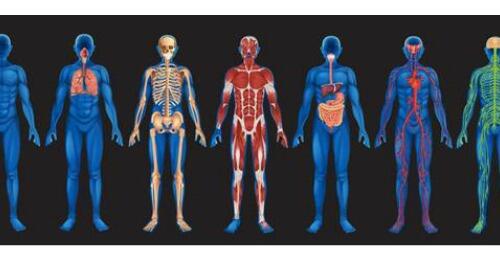
Integumentary: Skin, hair, nails, and glands provide protection and regulate body temperature.
Skeletal: Bones provide support, protect organs, and enable movement.
Muscular: Muscles enable movement, posture, and heat production.
Nervous: Brain, spinal cord, and nerves control body functions and respond to stimuli.
Endocrine: Glands secrete hormones that regulate various bodily processes.
Circulatory (Cardiovascular): Heart, blood vessels, and blood transport oxygen, nutrients, and hormones.
Lymphatic: Lymph nodes, lymphatic vessels, and lymph fluid are involved in immunity and fluid balance.
Respiratory: Lungs, trachea, and bronchi facilitate gas exchange (oxygen and carbon dioxide).
Digestive: Mouth, esophagus, stomach, intestines, and accessory organs break down food and absorb nutrients.
Urinary (Excretory): Kidneys, ureters, bladder, and urethra filter waste from the blood and excrete it.
Reproductive: Organs involved in reproduction, including the female reproductive system and the male reproductive system.
Unit 9 Variation Of Species
Introduction To Variations
Variations To Plants
Variations To Animals
Unit 10 Survival Adaptation
Introduction To Survival Adaptations
Animal Adaptations
Behavior Adaptations
Plant Adaptations
Unit 11 Ecology
Introduction To Ecology
Symbiosis
Pollution
Human Impact
Unit 12 Capstone Research
During this unit, students will pick one of the previous units topics to research further.
Tentative Supply List For The Full Year Course:
Note: I attend many Biology conferences during the year, so I may find great labs to add but if additional supplies are needed I will let you know weeks ahead of time.
spiral notebook or scrapbook type book (70 page minimum)
pencil, pen, highlighter, tape, stapler, glue, scissors
coloring pencils
tape-invisible, masking, and duct tape
ziploc bags in various sizes to hold notecards for each unit
notecards
play-doh or modeling clay
DNA helix-gummy bear, Twizzlers, toothpicks
Osmosis-clear cups, gummy bears, potatoes, kitchen sponge, vinegar, kool aid, sugar, corn syrup
Cells-plate, shampoo, small items or small pieces of candy to represent cell parts, toothpicks, tape, scissors
Edible Cell-cake mix, icing, small pieces of candy
Edible blood-food coloring, corn syrup, chocolate syrup
Platelet bottle-empty water bottle, cheerios, water, food coloring, marshmallows
Bottle lung-water bottle, balloons, tape, straws, clay or play-doh, masking tape
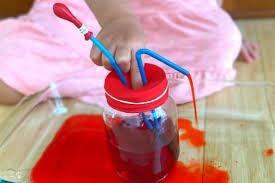
Diffusion-Food coloring (red, blue), straws, a few glass jars to hold water, raw potatoes, eggs, clear cups
Mitosis Lab-gummy worms or longwise candy, string, paper towels
watercolor paint set with brush for various body system science sketch opportunities
paper towels
paper plates
construction paper
food coloring
marbles or pebbles
dry rice
ruler
yarn
tissue paper
Diagram Practice: dry erase marker, small dry erase board or wipeable surface
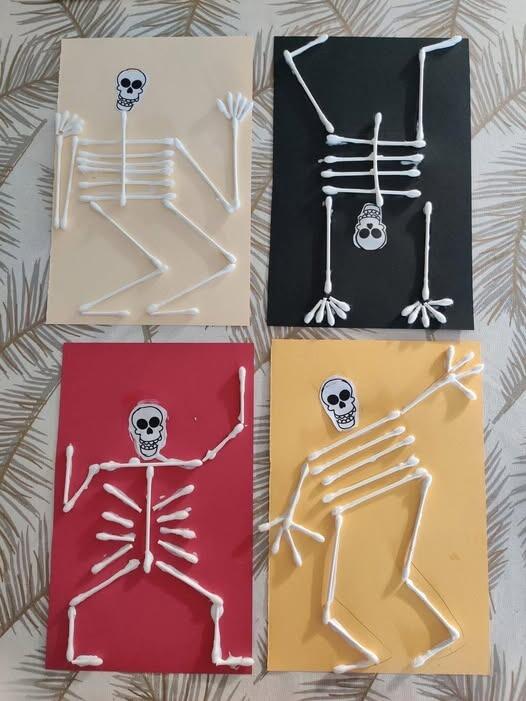
Skeleton Fun: black construction paper, q-tips, glue
Digestion Lab: crackers, Sprite or 7Up, 1 gallon ziploc bag
Paper Anatomy Models-cardstock white or cream paper, coloring pencils, scissors, tape, glue
Neuron Model Lab: play-doh or clay, paper towels, plate, pipe cleaners
Muscle Lab: dried spaghetti, two pieces of bread, jelly
Common kitchen supplies for labs: vinegar, pepper, salt, sugar, corn starch, kitchen, wax paper, foil
Edible Skin Layer Lab: red jello, water, mini marshmallows, fruit rollup, twizzlers or licorice whips
Bone Lab-plate, rotisserie chicken, gloves
Kidney Filtering Lab: clear cup, glitter, breads or small pieces of plastic, soil, paper towels, tape,
small strainer, a few cottonballs
grocery store flower to observe the parts
dissection kit (optional) with tweezers and scapel
hand sanitizer
one hole punch
leaf from outside
rotting log outside (optional but helpful to find one to observe decomposers)
Petri Dishes with pre-made agar (3 needed)
qtips
shoebox or cardboard box
posterboard
piece of bread
shoebox or pencil pouch to hold notecards
permanent markers
iodine
peroxide
glasses to mix things in
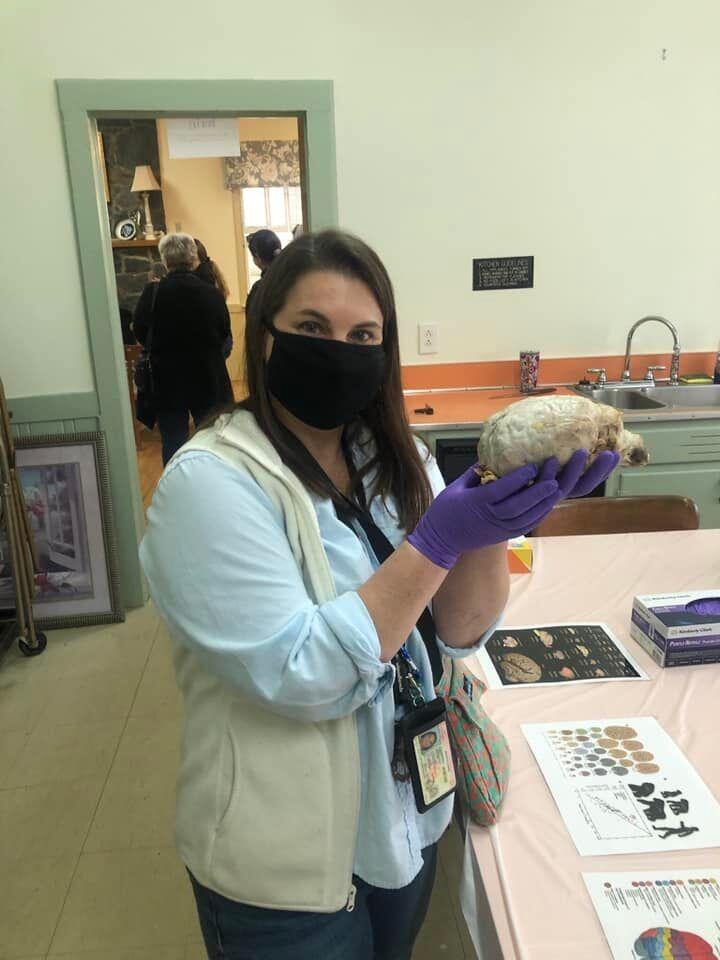
Dissections: In this course will will feature a cow eye dissection, and a sheep brain. This are optional dissections, but they will be performed on the live Zoom together for the ones who would like to participate. A list of the best dissection supplier will be provided a month or two before the dissection. I am still in the process of getting prices for the season but when I get the price I will share the link. The dissection supplies will cost (on average) around $25.