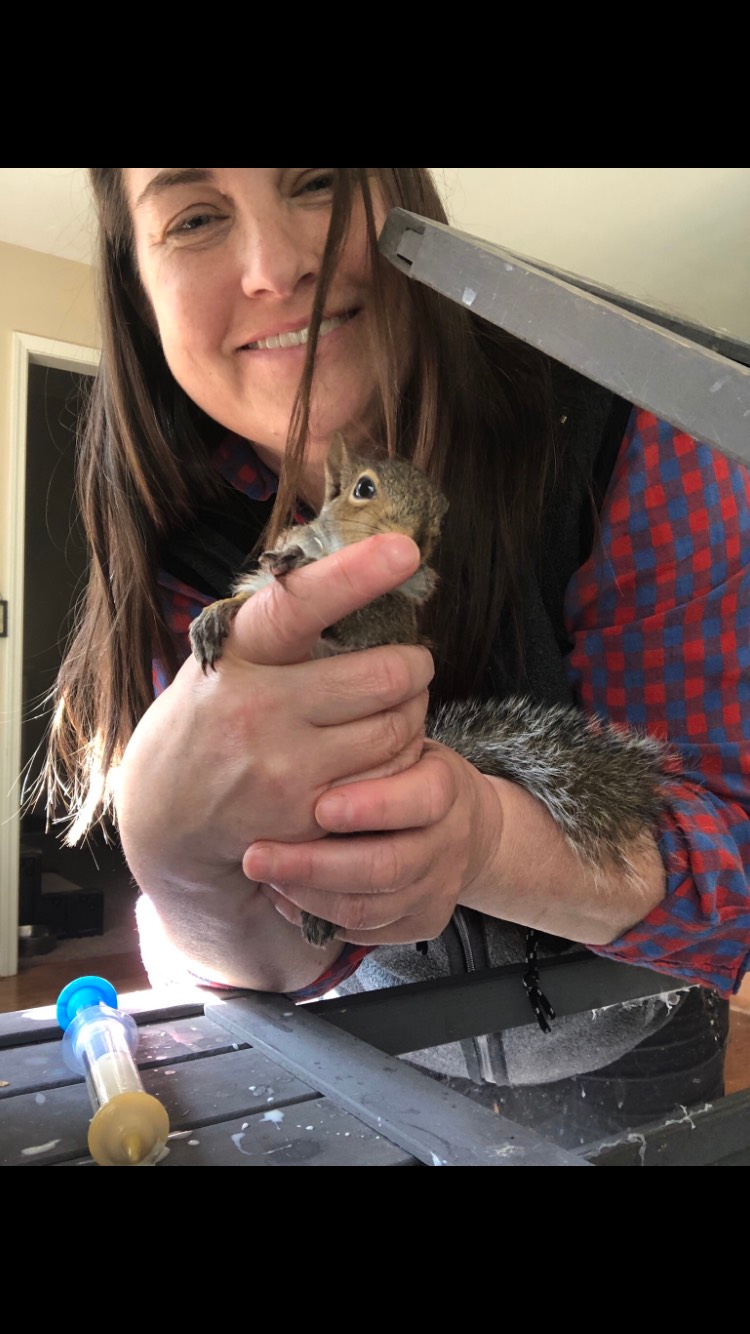
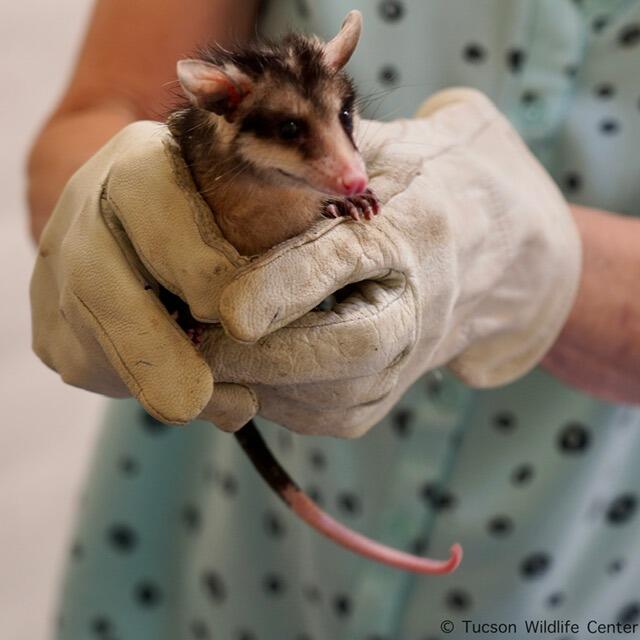
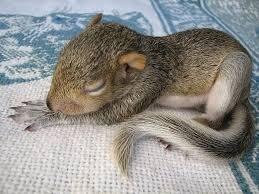
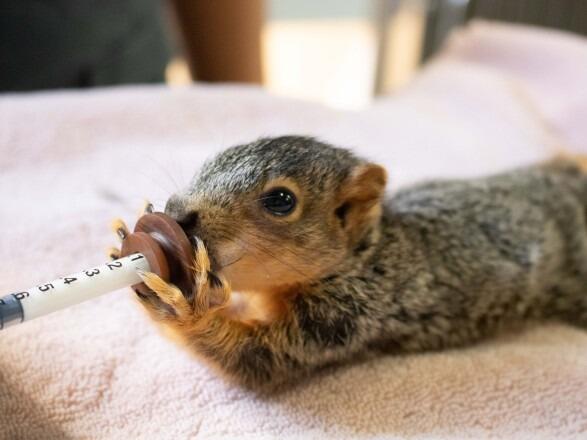
Hello. I work as a wildlife rehabber for the state of GA . During the months of March-October many intakes from all over the state are surrendered to me to raise up for release back in the wild. My speciality areas are baby/juvenile rabbits, squirrels, and rabbits. See the following slideshow by clicking the following LINK.
My program is run completely by donations. I take online donations and physical donations. The following items are always needed: puppy pads, unsalted nuts, fresh fruit, fresh vegetables, dried fruit, new towels/washclothes, carriers/cages, heating pads (without the automatic shut off), and wildlife formula.
Amazon Wish List-https://a.co/05pe2NsA
To Make Online Donations-https://www.sciencewithmrscollins.com/wildlife-rehabilitation-1/a-donation-link
Sponsor An Animal-Links at the bottom of this page.
IF YOU FIND A RABBIT:
If you have found a wild rabbit, the most important action is often to leave it alone, as baby rabbits are frequently mistaken for orphans. Wild rabbits are highly prone to fatal stress (capture myopathy) and are very difficult to rehabilitate, making expert guidance essential.
When to Intervene-
Injured/Cat Attack: If the rabbit is bleeding, has broken bones, has been in a pet’s mouth, or is covered in fly eggs, it needs immediate care.You can take the rabbit to your local veterinarian and surrender it. The vet's office can then make the decision to euthanize it or call the local rehabber.
True Orphans: The nest was destroyed (e.g., by a lawnmower), or the mother is confirmed dead.
Distress Signs: The babies are cold, wet, or crying incessantly.
Too Small: If the rabbit is smaller than a baseball (under 4-5 inches), it is likely too young to be alone.
When to Leave it Alone-
Fully Furred: If the baby is 4-5 inches long, has ears standing up, is hopping, and is alert, it is independent and does not need help.
Undisturbed Nest: If the nest looks intact, leave it alone. Mother rabbits only feed their young twice a day to avoid attracting predators. Mother rabbits do not stay with the nest like a cat, but instead stay a distance away on purpose.
If intervention is needed: 1) Put in a clean box with lots of blankets. 2) Put the blankets on a heating pad set on low. 3) Add grass, dandelions, applesauce, or a peeled banana. 4) Keep the box away from others in a quiet place 5) Reach out to the rehabber
IF YOU FIND A POSSUM:
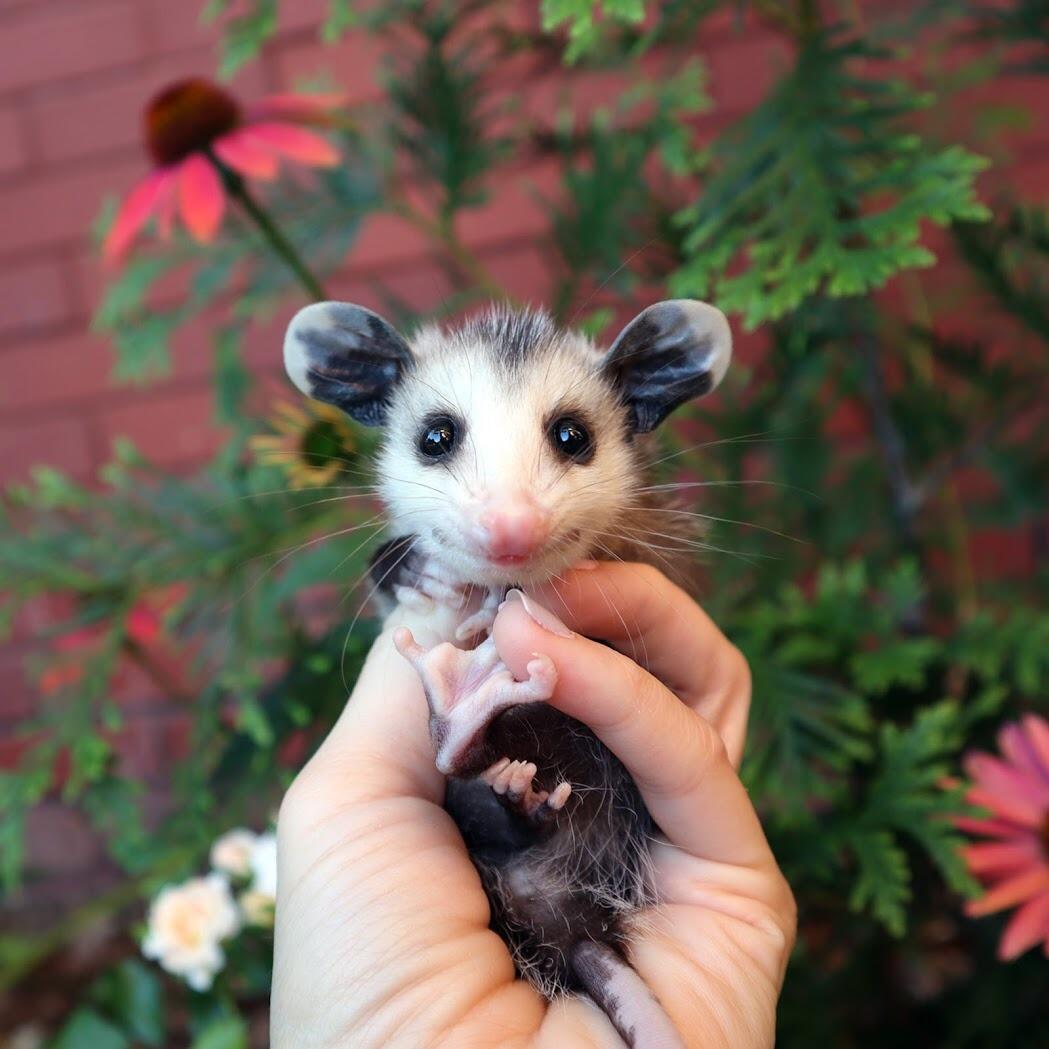
When you find a possum (opossum), it is critical to determine if it truly needs help, as many juvenile possums found alone are actually independent. If the possum is injured, sick, or a small, orphaned baby (typically less than 7 inches long from nose to rump, not including the tail), it requires immediate care from a licensed professional.
Immediate Action Steps-
Wear Gloves: Always use thick gloves when handling, as they can bite when afraid, even though they are generally docile.
Create a Safe Space: Place the animal in a secure container with ventilation, such as a sturdy pet carrier or a cardboard box with air holes.
"Dark, Warm, Quiet": Keep the container in a warm, dark, and quiet place away from children, pets, and household noise to reduce stress.
Do Not Feed: Avoid giving the opossum food or water unless directly instructed by a licensed rehabilitator, as improper diet can cause severe issues.
Check for Injuries/Pouches: If you found a dead adult possum, check the pouch for live young. If the babies are attached (no fur, closed eyes), leave them attached and take the mother and babies to a vet or rehabber.
If intervention is needed: 1) Put in a clean box with lots of blankets. 2) Put the blankets on a heating pad set on low. 3) Add applesauce or a peeled banana. 4) Keep the box away from others in a quiet place 5) Reach out to the rehabber
IF YOU FIND A SQUIRREL:
If you find an abandoned or fallen baby squirrel, keep it warm, safe from predators, and try to reunite it with its mother, who will often return to retrieve her young. Do not immediately feed it food or water. If the mother does not return by dusk, contact a licensed wildlife rehabilitator.
Steps to Take-
Warm the Squirrel: Baby squirrels often cannot regulate their body temperature. Use a sock filled with rice or birdseed microwaved for 20-30 seconds, then wrapped in a soft towel.
Reunite with Mom (First Priority):
Place the squirrel in a box with a soft, fur-like lining.
Place the box at the base of the tree where it was found or attach it with a bungee cord. Play the following baby squirrels sounds to attract the mother. Play on your phone, and leave the area to give her time to come back. https://www.youtube.com/watch?v=ajkxML2VyqU or https://www.youtube.com/watch?v=tgXnLN9w5BA
Keep pets and children away and leave the area for 6-8 hours to allow the mother to return.
Do not leave them out overnight, as mothers do not pick up babies at night.
Locate a Rehabilitator: Use the Animal Help Now app or search online for a local wildlife rehabilitator.
When to Intervene: If the baby is injured, bleeding, cold, or if the mother is confirmed dead, it needs immediate professional care.
If intervention is needed: 1) Put in a clean box with lots of blankets. 2) Put the blankets on a heating pad set on low. 3) Add dandelions, applesauce, cucumbers, or a peeled banana. 4) Keep the box away from others in a quiet place 5) Reach out to the rehabberhttps://www.sciencewithmrscollins.com/wildlife-rehabilitation-1/a-donation-link